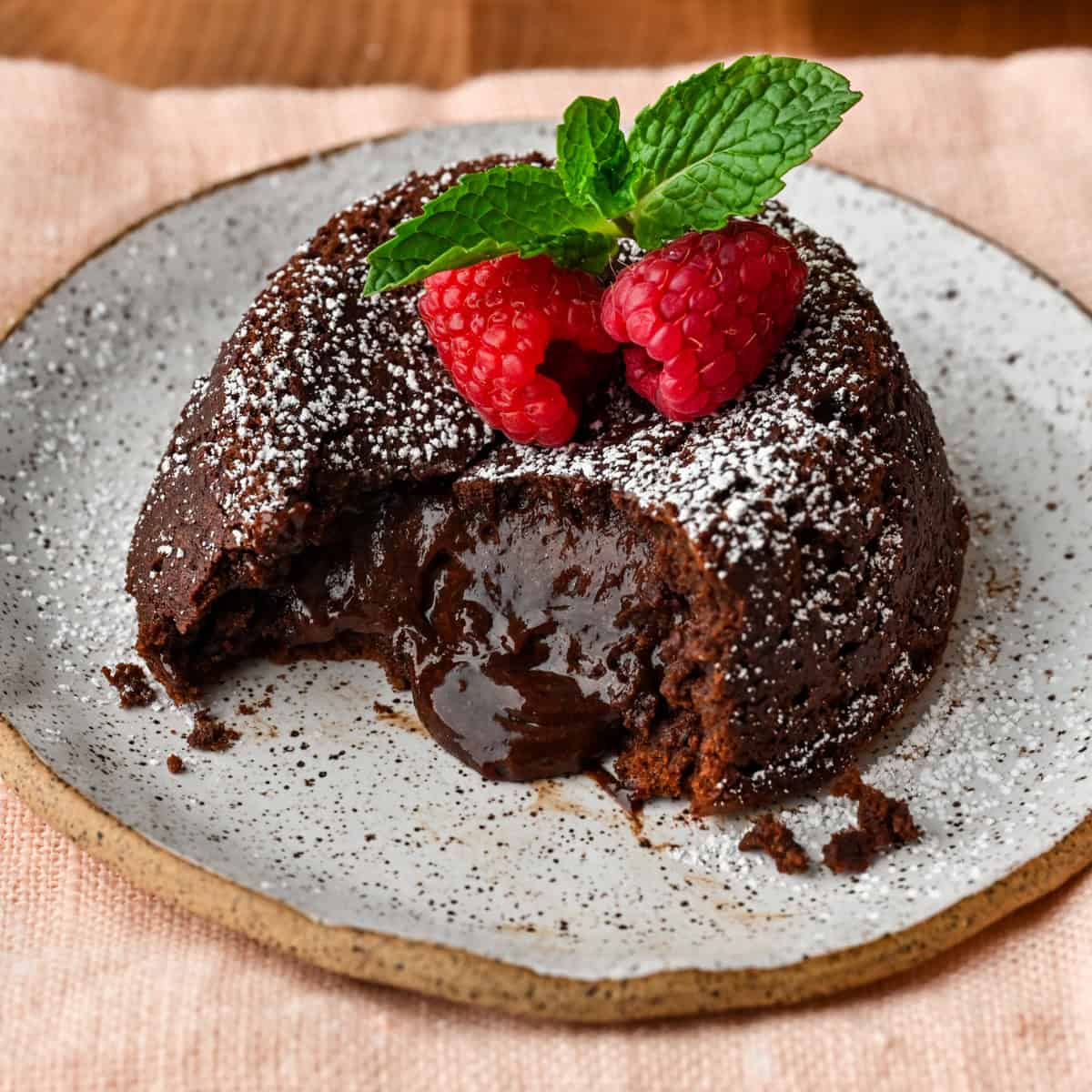
Unlocking the Magic of Homemade Molten Lava Cakes: Your Essential Guide
Few desserts capture hearts and taste buds quite like the perfect molten chocolate lava cake. With its elegant, slightly crisp exterior giving way to a warm, luscious river of chocolate, it's a dessert that screams sophistication while delivering ultimate comfort. Often seen as a restaurant-only delicacy, the truth is that crafting these show-stopping treats at home is surprisingly straightforward. Forget complex techniques; with a few key tips and a dash of passion, you can achieve that iconic, decadent flow right from your own kitchen. This guide will walk you through the essential steps, ensuring your homemade molten chocolate lava cakes are nothing short of spectacular.
The Anatomy of Decadence: What Makes a Molten Lava Cake Flow?
At its heart, a molten chocolate lava cake, also known as a "Chocolate Moelleux" (French for "soft" or "tender"), is a delicate balance of baking science and pure indulgence. It's essentially a small, rich chocolate cake that is intentionally underbaked in the center. The magic lies in baking the cakes at a relatively high temperature for a short period. This allows the outer shell to cook through and set, creating a stable structure, while the interior remains gloriously liquid and warm. When you cut into it, the "lava" spills out, creating that signature dramatic effect.
Think of it as a delightful hybrid: it boasts the richness of a dense chocolate mousse, the slight fluffiness of a soufflé, and a minimal flour content often reminiscent of a flourless chocolate cake. The allure isn't just in the taste, but also in the anticipation and visual delight of that chocolate cascade. And the best part? Recreating this experience at home means you can enjoy fresh, warm lava cakes whenever the craving strikes, often tasting even better than their restaurant counterparts thanks to the freshness and quality ingredients you control.
Crafting the Perfect Batter: Ingredients and Technique Secrets
The foundation of any great dessert is its batter, and molten chocolate lava cakes are no exception. While the recipe is simple, paying attention to a few crucial steps ensures your cakes rise beautifully and boast that irresistible molten center.
Choosing Your Chocolate Wisely for the Molten Core
The star of the show is, unequivocally, the chocolate. This isn't the time to skimp on quality. Using a good-tasting chocolate that melts well is paramount. While many recipes call for specific percentages, a high-quality bittersweet or semi-sweet chocolate chip works wonderfully and is readily available. Brands like Ghirardelli or Guittard are often recommended because their chips are formulated to melt smoothly and consistently, providing a luscious, pourable "lava."
- Bittersweet vs. Semi-Sweet: Bittersweet chocolate, typically 60-70% cacao, offers a deeper, more intense chocolate flavor, balancing the sweetness of the cake. Semi-sweet (around 40-55% cacao) will yield a slightly sweeter, milder lava. Choose based on your preference, but ensure it's a quality brand that melts without seizing or becoming gritty.
- Avoid Waxy Chocolates: Not all chocolate chips are created equal when it comes to melting. Cheaper baking chips sometimes contain stabilizers that prevent them from melting smoothly, leading to a grainy or thick lava. Stick to known quality brands for optimal results.
The Art of Egg Whipping: Air for Lightness
One of the most critical, yet often overlooked, steps in achieving a light and airy cake batter for your molten chocolate lava cakes is the proper whipping of eggs. You might be tempted to just whisk them until combined, but resist! This batter relies heavily on aeration to achieve its delicate structure.
- Beat Until Thick and Foamy: Whether using a stand mixer or a hand mixer, beat the eggs (and often sugar) until they become very thick, creamy, foamy, and significantly lighter in color. This process incorporates air, which helps the chocolate batter bake up light and fluffy around the molten core. Don't skimp on this step; it's a game-changer.
- Patience is a Virtue: This can take several minutes, depending on your mixer's power. Look for ribbons of batter to slowly disappear back into the mixture when you lift the beaters.
Gentle Flour Integration: Preventing a Tough Cake
Once your chocolate is melted and your eggs are airy, the final dry ingredients, primarily a small amount of flour, are added. This step requires a light touch. Overmixing flour develops gluten, which can lead to a tough, chewy cake rather than the tender, melt-in-your-mouth texture you desire.
- Just Combined: Add the flour to the wet ingredients and mix only until it's just incorporated. A few quick stirs are usually enough. The batter should be luscious, medium-thick, and still pourable. Small air bubbles throughout are perfectly fine and indicate a well-aerated batter.
- The Goal: You're aiming for a smooth, uniform batter, but stop the moment you no longer see streaks of dry flour.
Baking for That Signature Flow: Prep, Bake, and Unmold
The true test of a molten chocolate lava cake lies in its baking and presentation. These steps determine if you get a beautiful, flowing center or a fully cooked cupcake.
The Non-Stick Secret: Greasing and Dusting Your Ramekins
For your lava cakes to elegantly slide out onto a plate, proper preparation of your baking vessels is non-negotiable. Ramekins are the traditional choice, offering individual portions and a classic presentation.
- Butter Liberally: Brush or rub softened butter generously over the entire inside surface of each ramekin. Pay extra attention to the bottom and where the sides meet the base, as these are common sticking points. Don't be shy – a good coating is your best friend here.
- The Cocoa Powder Dust: After buttering, sprinkle a tablespoon or so of unsweetened cocoa powder into each ramekin. Rotate and tap the ramekin to ensure the cocoa powder coats all the buttered surfaces evenly, then tap out any excess. This cocoa "dust" provides an additional non-stick layer and contributes to the beautiful chocolate finish of the cake's exterior.
- Muffin Tin Alternative: While ramekins are ideal for their depth and ease of unmolding, you can use a standard muffin tin in a pinch. However, you'll need to adjust baking times (usually a few minutes less) and getting them out neatly can be more challenging. If using a muffin tin, make sure to grease and flour (or cocoa dust) each cup extremely well.
Filling and Baking Precision: The Jiggle Test
Fill each prepared ramekin about two-thirds full with batter. This allows for proper rising without overflowing. Baking time is critical for the molten center.
- High Heat, Short Time: Bake your molten chocolate lava cakes at a high temperature (typically around 400-425°F or 200-220°C). This quickly sets the exterior.
- The "Jiggle Test": The cakes are done when the edges and top appear set and slightly firm, but the very center still has a distinct wobble or "jiggle" when you gently shake the ramekin. This jiggle is the molten core. Overbaking by even a minute or two can turn your lava cake into a standard chocolate cupcake, so watch them closely!
The Delicate Dance of Unmolding: Patience is Key
Once out of the oven, don't rush! Improper handling can lead to broken cakes or a less-than-perfect flow.
- Rest, Then Release: Let the lava cakes rest in their ramekins for 2-3 minutes. This allows the cake to firm up slightly, making it easier to handle. However, don't let them sit for too long (e.g., more than 5-7 minutes), as the residual heat in the ramekin will continue to cook the center, potentially reducing the molten effect.
- Loosen the Edges: Use a thin knife or offset spatula to gently loosen the edges of the cake from the ramekin. Work carefully around the entire circumference.
- The Inversion: Place your serving plate upside down over the top of the ramekin. Holding both the plate and ramekin firmly together, quickly and confidently flip them over. Tap the plate and ramekin lightly on the counter to encourage the cake to release.
- Careful Lift: Using a hot pad, carefully lift the hot ramekin off the cake. Voilà! A perfectly formed molten chocolate lava cake, ready to impress.
Elevating Your Lava Cake Experience: Serving and Make-Ahead Magic
A homemade molten chocolate lava cake is a treat in itself, but a few simple additions can elevate it into an unforgettable dessert experience. For those who love planning, these cakes also offer fantastic make-ahead potential.
Perfect Pairings and Garnishings
The classic accompaniment to a lava cake is a scoop of vanilla bean ice cream, which provides a delightful temperature and flavor contrast. But don't stop there:
- Berries and Cream: Fresh raspberries, strawberries, or a mixed berry compote add a touch of tartness that cuts through the richness of the chocolate. A dollop of lightly sweetened whipped cream is also heavenly.
- Powdered Sugar Dust: A simple dusting of confectioners' sugar adds an elegant finish.
- Sauces: A drizzle of caramel sauce, raspberry coulis, or even a hint of espresso ganache can take your lava cake to the next level.
- Aromatic Touches: A sprinkle of sea salt flakes just before serving can enhance the chocolate flavor beautifully. A few mint leaves add a pop of color.
The Convenience of Make-Ahead Molten Lava Cakes
One of the best features of this recipe is its flexibility. The batter for molten chocolate lava cakes can be prepared in advance, making them an ideal dessert for dinner parties or when you want a quick, elegant treat without the fuss. Simply prepare the batter, pour it into your greased and cocoa-dusted ramekins, cover them loosely with plastic wrap, and refrigerate for up to 1-2 days. When ready to bake, simply pop them into a preheated oven (they might need an extra minute or two of baking time if coming straight from the fridge).
For more detailed instructions on preparing these decadent desserts in advance, be sure to check out our guide on Easy Make-Ahead Molten Lava Cakes: Your Homemade Guide.
Conclusion: Your Decadent Homemade Journey Awaits
From understanding the delicate science of its molten core to mastering the techniques of batter preparation and the crucial moments of baking and unmolding, creating homemade molten chocolate lava cakes is a truly rewarding endeavor. By focusing on quality ingredients, precise technique, and a little bit of patience, you can consistently achieve that restaurant-quality dessert with a flowing, intensely chocolatey center that will impress everyone fortunate enough to try it. So, preheat your oven, gather your chocolate, and prepare to unleash a cascade of pure chocolate bliss from your very own kitchen. Happy baking!
